What soft washing actually changes
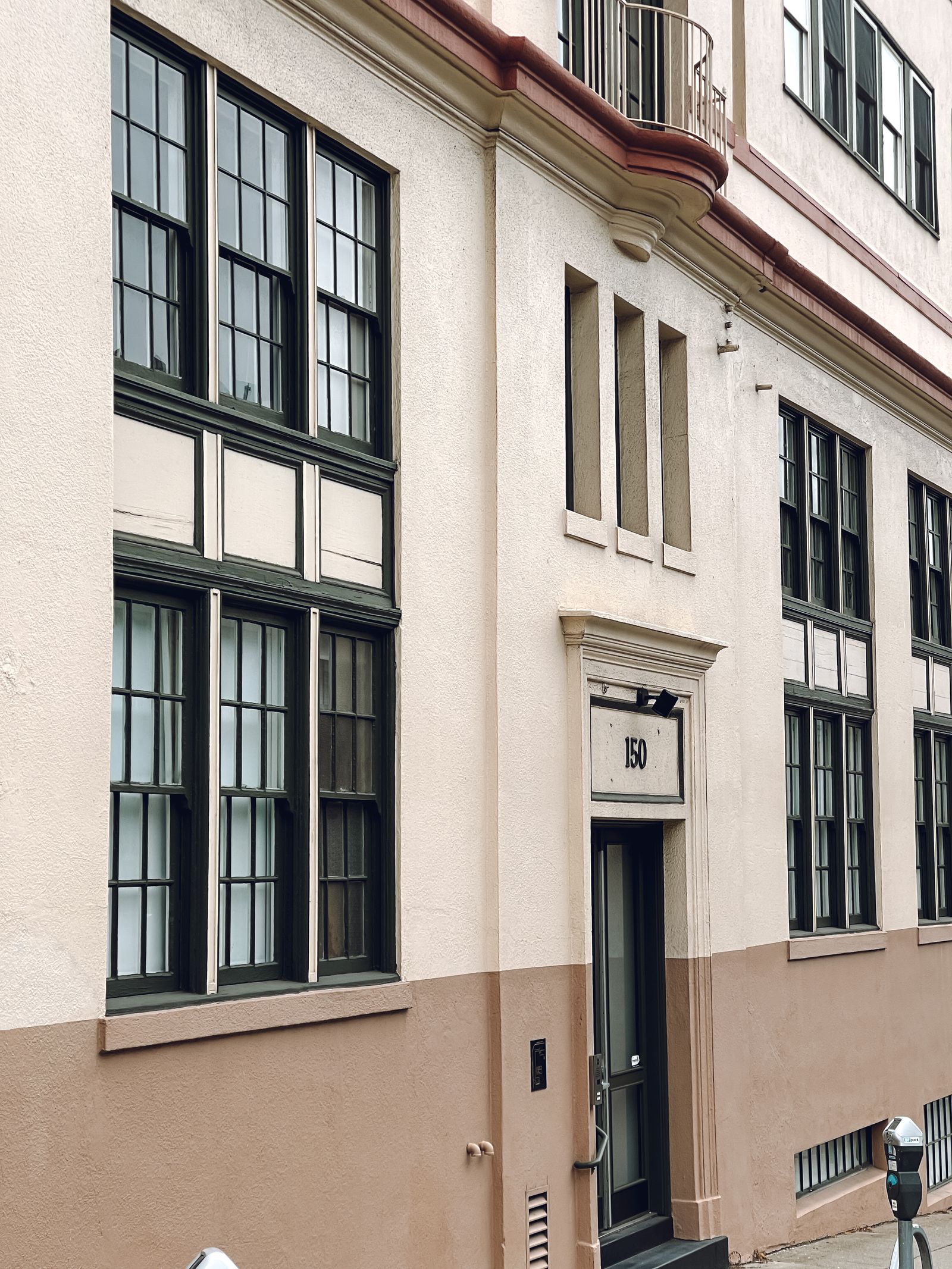
Soft washing is a low-impact application and rinse approach intended for compatible organic growth, pollen, atmospheric film, and ordinary exterior soil. The cleaning result comes from the selected product, concentration, dwell, agitation when appropriate, rinse control, and protection of adjacent materials rather than force alone. That can be useful on broad facade areas where a hard blast would risk driving water behind a coating, opening a weak joint, dislodging a surface, or creating unnecessary overspray. It does not make every material safe to wet, and it does not guarantee removal of hard-water scale, oxidation, rust, construction residue, graffiti, or bonded road film.
Salt Lake City buildings should be evaluated zone by zone. Dry dust on a textured wall may rinse differently from mineral spotting below an irrigation head. Inversion film on a sign band may differ from deicing residue at a garage entry. A stain beneath a parapet may be a symptom of a roof or flashing issue rather than a cleaning problem. The proposal should describe the suspected soil, test area, expected improvement, and any reason to refer repair or restoration before washing.
When controlled pressure has a place
Controlled pressure can be appropriate for compatible, durable surfaces and soils that need mechanical movement. A concrete loading apron, certain parking surfaces, or a robust service wall may respond well when the nozzle, distance, pressure, temperature, water volume, operator position, and runoff controls are managed. Pressure is a tool, not a default setting. The same force that moves grit from a slab can damage soft mortar, lift paint, scar stucco, force water into a joint, or etch a surface when used on the wrong elevation.
Salt Lake City properties need special attention at freeze-thaw-exposed masonry, roof edges, expansion joints, garage decks, sloped ramps, and areas that already show cracking or spalling. Snow and ice can conceal deterioration near lower walls and entries. A contractor should inspect the condition and test a representative area rather than assume the strongest visible spray will produce the best finish. If the desired result is delicate glass, recessed detail, mineral removal, or a uniform presentation finish, contact cleaning or specialty treatment may be needed in addition to either wash method.
Compare the methods by Salt Lake City soil and material
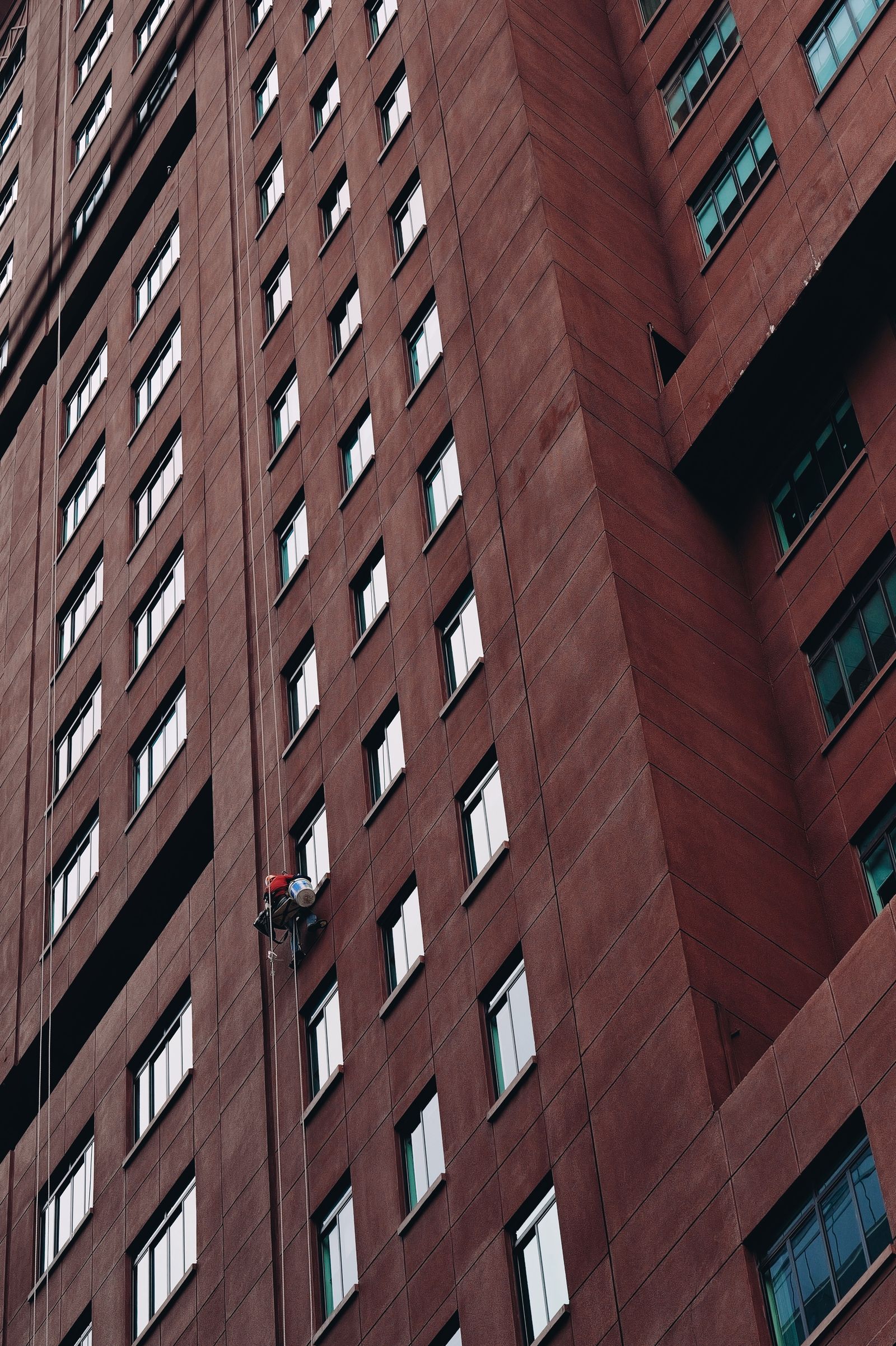
A practical comparison starts with four questions: what is the surface, what is the soil, what finish does the owner need, and where will water go? Brick and mortar may favor a carefully tested soft wash or low-pressure rinse. Durable concrete may allow controlled pressure in selected zones. Glass and frames may need water-fed pole or squeegee detail. Metal panels may require coating and oxidation review. Stucco and EIFS need careful pressure and moisture management. A property with inversion residue, road dust, salt, mineral deposits, and organic staining may need different methods on different elevations rather than one label for the entire building.
The work plan should also account for people and operations. Downtown sidewalks, light rail, hotels, hospitals, campus paths, retail doors, loading docks, and office arrivals may require a phased sequence. Sugar House and 9th and 9th properties can have customer and resident movement throughout the day. Airport-area and South Valley industrial sites may need truck coordination and clear gates. A method that is technically suitable but impossible to control around guests, patients, employees, or vehicles is not a complete commercial recommendation.
- Use soft washing for compatible organic and atmospheric soils after material testing.
- Use controlled pressure only where the substrate and soil can tolerate managed mechanical force.
- Use contact or specialty cleaning for glass detail, bonded deposits, oxidation, and restoration needs.
- Define water controls, access, weather limits, and closeout before comparing prices.
Where drone assistance fits the decision
Drone-assisted application or rinsing can support selected broad upper areas when the site has clear stand-off distance, suitable wind, a workable launch area, visual control, ground spotters, hose management, and a protected work zone. It may reduce lift repositioning and disruption on compatible walls, parapets, or sign bands. It cannot turn a fragile substrate into a pressure-washing target, remove every bonded deposit, polish glass, or replace hand detail. The method still needs to be selected by material, soil, weather, water path, and finish standard.
Salt Lake City sites can be complicated by overhead utilities, trees, balconies, transit, airport-related airspace, rooftop equipment, adjacent buildings, and rapidly changing mountain weather. Commercial operations must comply with applicable Federal Aviation Administration requirements. If the aircraft cannot remain clear of people, vehicles, wires, neighboring property, or restricted airspace, another access method may be the better choice. A proposal should identify aerial zones, non-aerial zones, launch assumptions, pause conditions, and a fallback method rather than treating drone use as the whole service.
Build water, snow, drainage, and weather into the scope
Salt Lake City water planning starts before the rinse. Note curb inlets, storm drains, landscaped areas, slopes, parking decks, garage drains, irrigation, neighboring parcels, and low points. A visible drain does not automatically authorize discharge. The soil load, chemistry, water volume, and observed flow should determine whether the plan needs diversion, collection, recovery, filtration, reduced rinse volume, plant protection, disposal, or coordination with the responsible authority. A property manager should know who confirms the discharge path and what happens if the water travels differently than expected.
Snow, ice, temperature, wind, rain, lightning, surface moisture, and visibility can change both method and schedule. Water on a shaded ramp can become hazardous sooner than water on a sunny wall. A mountain wind can shift an application path or make a drone operation unsuitable. A winter inversion or dry spell can make a recently cleaned wall appear to resoil quickly. The right frequency and work window should follow the building's exposure, use, event calendar, and observed result. Responsible crews need clear pause triggers and a documented handback when conditions interrupt the work.
Compare quotes by finish and risk, not by label
Ask each contractor to divide the building into materials and service zones. The proposal should state whether each zone receives soft washing, controlled pressure, low-pressure rinsing, water-fed pole work, squeegee detail, specialty treatment, or a referral for repair or restoration. It should identify the apparent soil, test-area assumptions, expected improvement, exclusions, access method, water source, weather limits, public controls, protection, and closeout. This prevents an inexpensive undefined wash from being compared with a complete facade plan.
For a Salt Lake City property, ask how the crew will handle snow or ice, sloped pavement, public routes, patients, guests, tenants, vehicles, loading docks, landscaping, drains, and inversion or road film. Ask which elevations are suitable for drone assistance and which require a lift, pole, roof access, or contact crew. Ask who can pause work, how forecasts are checked, what happens when water moves differently than expected, and how incomplete or inaccessible zones are documented. The closeout should include completed-zone photos, remaining-condition notes, weather interruptions, and recommendations for the next visit.
Get a Salt Lake City method recommendation
Choose soft washing when compatible chemistry and controlled rinsing fit the material and soil. Choose controlled pressure when a durable surface requires measured mechanical force. Choose contact cleaning or specialty restoration when the finish needs brushing, scraping, polishing, squeegee work, mineral treatment, or repair. Many commercial projects need more than one method: a concrete loading area differs from a stucco facade, a canopy differs from the glass, and a snow-exposed entry differs from a sheltered upper wall.
Drone Building Cleaners can review Salt Lake City offices, hotels, retail centers, medical properties, campuses, warehouses, parking structures, mixed-use buildings, and industrial sites. Call +1 239-351-2897, email contact@dronebuildingcleaners.com, or use the quote form with the address and current photos. We will explain where soft washing, controlled pressure, drone assistance, poles, lifts, or contact cleaning fit, what may remain, and what should be referred before the work is scheduled.